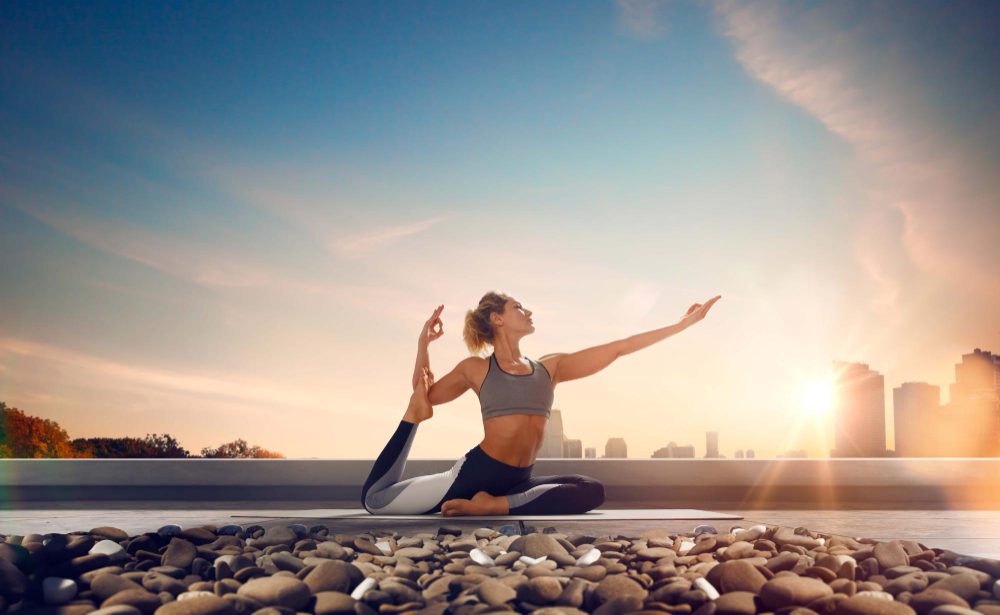
Surya Namaskar, also known as Sun Salutation, is a remarkable practice in the world of yoga. This ancient sequence of twelve dynamic yoga asanas (postures) performed in a rhythmic flow, pays homage to the sun. It is a unique physical and spiritual practice that connects the practitioner with the energy and vitality of the sun. In this blog, we will explore the origins, benefits, and a step-by-step guide to performing Surya Namaskar and its significance in the realm of yoga.
Origins and Significance of surya namaskar
Surya Namaskar is a practice that has been passed down through centuries and is rooted in ancient Indian traditions. The sun has always been a symbol of life, energy, and vitality in various cultures. In yoga, the sun is considered the ultimate source of light and consciousness and a source of prana (life force).
The twelve asanas in Surya Namaskar are designed to activate and balance the solar plexus, the energy center of the body. Each asana is performed with specific breathing patterns, creating a harmonious flow of movement and breath. The synchronization of breath and movement helps to calm the mind, increase focus, and enhance the overall experience of the practice.
Benefits of Surya Namaskar for Optimal Health
Surya Namaskar offers numerous physical, mental, and spiritual benefits that promote optimal health. Here are some key advantages of incorporating this practice into your daily routine:
Physical Fitness and Weight Management in suryanamaskar pose:
Surya Namaskar is a complete body workout that engages all major muscle groups, promoting strength, flexibility, and endurance. Regular practice can improve posture, tone the body, and aid in weight loss and weight management.
Improved Digestion and Detoxification in
suryanamaskar pose
The asanas in Surya Namaskar massage the abdominal organs, promoting healthy digestion, detoxification, and relieving constipation
Enhanced Respiratory Function and Immunity
in suryanamaskar pose
The deep breathing involved in Surya Namaskar helps to expand lung capacity, improve oxygen intake, and strengthen the respiratory system. This, in turn, boosts immunity and overall respiratory health.
Stress Relief and Mental Clarity in
suryanamaskar pose
he rhythmic flow of Surya Namaskar, combined with conscious breathing, induces a state of relaxation, reduces anxiety, and relieves stress. Regular practice enhances mental focus, concentration, and memory, promoting emotional balance and inner peace.
Step-by-Step Guide to Performing Surya Namaskar
Here is a step-by-step guide to performing Surya Namaskar for optimal health
Pranamasana (Prayer Pose):surya namaskar pose
Stand at the front of your mat, bring your palms together in front of your chest, and take a moment to center yourself.
Hastauttanasana (Raised Arms Pose):
surya namaskar pose
Inhale deeply, raise your arms overhead, and gently arch your back, stretching your whole body.
Hasta Padasana (Hand to Foot Pose):
surya namaskar pose
Exhale and bend forward from the hips, bringing your hands to the floor beside your feet. If needed, bend your knees slightly.
Ashwa Sanchalanasana (Equestrian Pose):
Inhale and step your right leg back, placing your right knee on the floor. Keep your left knee bent and gaze forward.
Dandasana (Stick Pose):
As you exhale, step your left leg back, aligning your body in a straight line, like a plank.
Ashtanga Namaskara (Salute with Eight Parts):
Lower your knees, chest, and chin to the floor, keeping your hips lifted. This pose involves eight points of contact with the floor.
Bhujangasana (Cobra Pose):
Inhale and slide forward, lifting your chest off the floor, while keeping your legs and pelvis grounded.
Adho Mukha Svanasana (Downward-Facing Dog Pose):
Exhale and lift your hips, forming an inverted V shape with your body. Keep your heels grounded and gaze towards your navel.
Ashwa Sanchalanasana (Equestrian Pose):
Inhale and step your right foot forward between your hands, aligning your knee over the ankle. Keep your left knee on the floor and gaze forward.
Hasta Padasana (Hand to Foot pose)
Exhale and bring your left foot forward, aligning your palms with the floor. Keep your knees slightly bent if needed.
Hastauttanasana (Raised Arms Pose):
Inhale and rise up, stretching your arms overhead and arching your back.
Pranamasana (Prayer Pose):
Exhale and return to the starting position, bringing your palms together in front of your chest.
Source The precise origins of the Sun Salutation are uncertain, but the sequence was made popular in the early 20th century by Bhawanrao Shriniwasrao Pant Pratinidhi, the Rajah of Aundh, and adopted into yoga by Krishnamacharya in the Mysore Palace, where the Sun Salutation classes, not then considered to be yoga, were held next door to his yogasala. Pioneering yoga teachers taught by Krishnamacharya, including Pattabhi Jois and B. K. S. Iyengar, taught transitions between asanas derived from the Sun Salutation to their pupils worldwide.
Conclusion
Surya Namaskar is an empowering practice that combines physical, mental, and spiritual aspects of yoga, promoting optimal health. By incorporating this sequence into your daily routine, you can experience numerous benefits, including improved physical fitness, enhanced mental clarity, and a deeper connection with the sun’s energy. Remember to practice Surya Namaskar with mindfulness, focusing on the breath and the flow of the movements