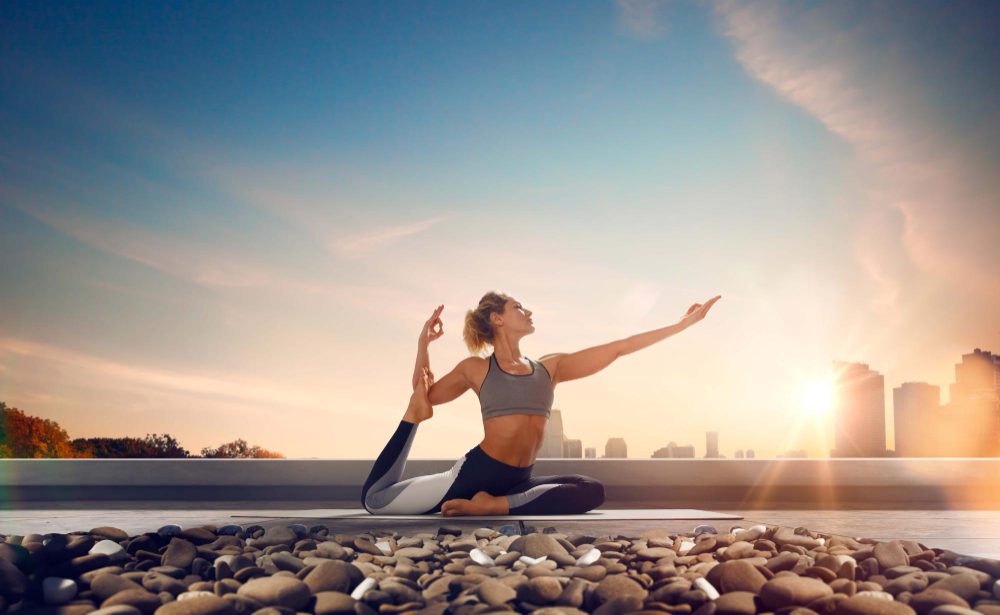
Mysore yoga is a traditional form of yoga that originated in the city of Mysore, India. It is a self- paced practice that allows students to move at their own pace and focus on their individual needs. Mysore style yoga is known for its emphasis on breath control, alignment, and meditation, making it a holistic approach to physical and mental well-being. The benefits of practicing this style of yoga are numerous – improved flexibility, strength, balance, and posture are just a few. Additionally, regular practitioners often report reduced stress levels, increased self-awareness, and a greater sense of overall calmness.
This unique style of yoga has gained popularity worldwide due to its adaptable nature – whether you’re a beginner or an advanced yogi, this type of yoga can be tailored to suit your abilities and goals. The Origins of this yoga was developed by Sri K. Pattabhi Jois, who was a student of the renowned yoga guru, Krishnamacharya.
Jois began teaching Mysore yoga in the 1930s in Mysore, India, and it has since spread to yoga studios all over the world even mysore yoga atlanta. The practice is based on the Ashtanga yoga system, which consists of a set sequence of postures that are linked together with breath and movement. The origins of Mysore yoga asthanga can be traced back to the teachings of Sri K. Pattabhi Jois, who was a devoted student of the esteemed yoga guru, Krishnamacharya. It quickly gained recognition and popularity among yoga practitioners. The practice is rooted in the Ashtanga yoga system, which is characterized by a specific sequence of postures that are performed in a flowing and dynamic manner, synchronized with the breath. This unique combination of movement and breath creates a meditative and rhythmic experience, allowing practitioners to connect deeply with their body and mind.
The Mysore Yoga Rug

by Stephanie Greene (https://unsplash.com/@lovestephaniegreene)
Using a particular rug, called a Mysore yoga rug, is one distinctive feature of this style of yoga. Made entirely of cotton, these rugs are intended to provide a non-slip surface for yoga poses. In addition to being easily washable, they also absorb sweat, which is why Mysore style yoga practitioners love them.
For instance, to start a this yoga practice, practitioners place their yoga rug on the ground. They can feel the rug’s grip beneath them as they perform each pose, giving their movements stability and support. Even during long, sweaty sessions, they stay dry and comfortable thanks to the rug’s absorbent quality.
A thorough argument against utilizing these yoga mats is that some practitioners can feel the cotton texture to be excessively slick and inadequate for grip when doing their practice. This may result in instability and possible harm. Furthermore, the rug’s capacity to absorb moisture might not be enough during particularly intense and sweaty sessions because it might get saturated and lose its ability to keep the practitioner dry and comfortable.
The Benefits of Mysore Yoga
This yoga offers a variety of benefits for both the mind and body. Here are just a few of the many benefits of this traditional yoga practice:
Individualized Instruction
This yoga provides customized instruction, in contrast to regular yoga courses where the teacher guides the entire class through a predetermined sequence. This implies that every student can advance at their own speed and get individualized instruction from the instructor. This makes it possible to comprehend and relate to the exercise on a deeper level.
Some would contend that novices may find individualized Mysore yoga instruction daunting and that it could impede their growth.
Increased Flexibility and Strength
This yoga is derived from the mysore Ashtanga yoga style, which emphasizes developing strength and flexibility via a sequence of difficult poses. Students should anticipate increases in their general strength and flexibility with consistent practice.
For instance, someone new to Mysore style yoga might find it difficult at first to perform some poses and feel overburdened by the one-on-one teaching. Nonetheless, kids will progressively gain strength and flexibility as long as they practice at their own pace and get individualized instruction from the teacher. Their ability to execute increasingly difficult poses will eventually show signs of growth, proving the value of personalized Mysore yoga training.
Mindfulness and stress relief
The emphasis on the relationship between breath and movement in mysore style yoga can aid students in developing mindfulness and lowering stress levels. Students can have a contemplative experience, learn to calm their minds, and find inner peace because the exercise is self-paced.
A counterargument to the idea of individualized Mysore style yoga training is that not everyone can afford it, since private instruction from a teacher can be costly. Furthermore, some people might find that a self-paced yoga practice lacks the structure and direction of a regular yoga class.
Mysore Yoga Workshops

by Jared Rice (https://unsplash.com/@jareddrice)
Many yoga studios offer Mysore yoga workshops, which are a great way for students to deepen their practice and learn from experienced teachers. These workshops often include a guided Mysore practice as well as workshops on specific aspects of the practice, such as alignment or breathwork.
1. The benefits of personalized guidance in yoga and how it can enhance one’s practice.
2. Exploring the various options available for affordable or free yoga classes, including community centers and online platforms.
3. Discussing the reasons why some individuals may prefer the structure and guidance provided by a traditional yoga class.
4. Sharing personal experiences or stories of individuals who have found success in their yoga journey through attending Mysore Yoga workshops.
5. Highlighting the specific aspects of the Mysore practice that make it unique and valuable for students looking to deepen their understanding of yoga.
In Conclusion
Mysore yoga is a conventional kind of yoga that provides an individualized and distinctive method of practice. It has gained popularity among yoga practitioners worldwide due to its Indian roots and emphasis on personalized training. Everyone can benefit from Mysore style yoga, whether they want to become more strong and flexible, develop mindfulness, or advance their yoga practice.
If you want to witness the advantages for yourself, think about taking a Mysore style yoga session or workshop. Students can get one-on-one instruction from skilled teachers in this class or workshop, which enables them to advance at their own speed and focus on certain areas of growth. In addition to improving the educational process, this individualized approach helps practitioners feel more connected to one another and supportive of one another.
Try Mysore style yoga in even Atlanta and see how it can change the way you practice yoga. Students who attend a these yoga class or workshop can get one-on-one instruction and adjustments from knowledgeable instructors. Students can explore postures and alignment in greater detail with this individualized attention, which enables them to advance at their own speed and accomplish their own yoga practice objectives.
Furthermore, Mysore style yoga’s encouraging and non-competitive atmosphere creates a sense of community among practitioners, giving students a safe and supportive space to develop their practice.
F&Q
Is Mysore a yoga capital?
Nestled in the southern state of Karnataka, Mysore is a city steeped in history and culture. It is also known as the Ashtanga yoga capital of the world, attracting yogis from around the globe who seek to deepen their practice and study with some of the world’s top Ashtanga yoga teachers.
How can I practice Mysore?
In a Mysore-style class you follow Ashtanga yoga’s traditional sequence of postures. Practicing at your own pace, in time with your own breath. You move through postures independently with the support of the teacher who will offer individual instruction that’s personal to you.
Who invented Mysore yoga?
Ashtanga vinyasa yoga, a flowing type of yoga, was created and made popular by Indian yoga instructor Pattabhi Jois, who lived from July 26, 1915, to May 18, 2009. Jois founded the Ashtanga Yoga Research Institute in Mysore, India, in 1948.
How does Mysore yoga work?
Every student in a Mysore class follows the sequence of postures they have learned from their teacher, moving independently and in time with their own breath.
As she travels around the room, the teacher helps each student one-on-one and provides guidance, education, and support as needed.