Introduction:
Hot yoga, also known as Bikram yoga, has gained immense popularity in recent years as a unique and challenging form of exercise. This blog aims to provide a comprehensive guide to hot yoga, exploring its benefits for flexibility, detoxification, improved cardiovascular health, stress relief, weight loss and toning. We will also cover important aspects such as preparing for a hot yoga class, safety precautions, staying hydrated, and modifying poses for injury prevention. By understanding the principles and practices of hot yoga, beginners can embark on a journey towards a healthier and more balanced lifestyle.
Understanding Hot Yoga:
Hot or bikram yoga is a style of yoga practiced in a heated room, typically ranging from 95-105 degrees Fahrenheit (35-40 degrees Celsius). The heat helps to warm up the muscles, increase flexibility, and promote detoxification through sweating. Hot yoga classes often follow a set sequence of 26 poses and two breathing exercises, designed to work the entire body, improve strength and flexibility, and promote balance and focus.
The Benefits of Hot Yoga:
Flexibility:
The heat in this yoga classes allows for deeper stretching and increased flexibility. The warm muscles are more pliable, making it easier to achieve and hold challenging poses.
Detoxification:
Sweating is a natural way for the body to eliminate toxins. The heat and humidity in hot yoga classes promote sweating, helping to flush out impurities and cleanse the body.
Improved Cardiovascular Health:
Hot yoga is a cardiovascular workout that gets your heart pumping and increases blood circulation. Regular practice can improve cardiovascular endurance and strengthen the heart.
Stress Relief:
This yoga incorporates breathing exercises and meditation, which help to calm the mind and reduce stress. The heat adds an extra element of relaxation, allowing practitioners to release tension and find inner peace.
Weight Loss and Toning:
The combination of heat, intense physical activity, and increased metabolism in hot yoga can aid in weight loss and toning. Regular practice can help burn calories, build lean muscle, and improve overall body composition.
Preparing for a Hot Yoga Class:
Hydration:
Proper hydration is crucial before, during, and after this yoga class. Drink plenty of water throughout the day leading up to your class to ensure you are adequately hydrated.
Clothing:
Wear lightweight, breathable clothing that allows for ease of movement and wicks away sweat. Avoid heavy fabrics that can trap heat and make you feel uncomfortable.
Nutrition:
Avoid eating a heavy meal at least two hours before your hot yoga class. Opt for a light snack if needed, such as a piece of fruit or a small handful of nuts, to provide energy without weighing you down.
Equipment:
Bring a yoga mat, a towel to place over your mat, and an extra towel to wipe away sweat during the class. Some studios may provide these items, so it’s best to check beforehand.
Hot Yoga Poses and Sequences for Beginners:
This yoga classes typically follow a set sequence of 26 poses, known as the Bikram Yoga series, along with two breathing exercises. These poses are carefully curated to work the entire body, targeting different muscle groups and promoting overall strength, flexibility, balance, and focus.
Standing Bow Pose (Dandayamana Dhanurasana):
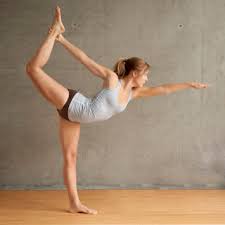
This pose involves balancing on one leg while extending the other leg backward and reaching forward with the opposite arm. It helps improve balance, flexibility, and concentration.
Triangle Pose (Trikonasana):
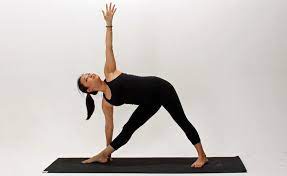
In this pose, the body is extended sideways with one hand touching the floor and the other arm reaching upward. It stretches the legs, hips, and spine, while also improving digestion and stimulating the abdominal organs.
Camel Pose (Ustrasana):
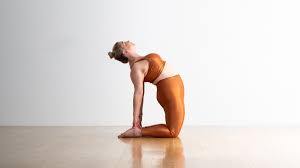
This backbend pose involves kneeling and reaching backward to hold the heels while arching the back. It opens up the chest, stretches the front of the body, and improves spinal flexibility.
Tree Pose (Vrksasana):

This balancing pose requires standing on one leg while placing the sole of the other foot against the inner thigh. It strengthens the legs, improves balance, and enhances focus and concentration.
Cobra Pose (Bhujangasana):
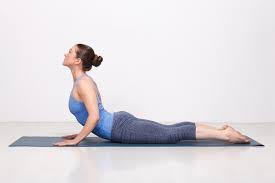
This gentle backbend involves lying on the stomach and lifting the chest off the ground while keeping the legs and pelvis grounded. It strengthens the back muscles, stretches the chest and shoulders, and improves posture.
Eagle Pose (Garudasana):

This pose involves wrapping one leg around the other and crossing the arms in front of the body. It improves balance, opens up the shoulders, and stretches the hips and thighs.
Half Moon Pose (Ardha Chandrasana):
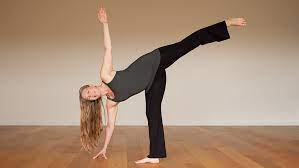
In this pose, one hand is placed on the floor while the other arm extends upward, creating a sideways arc with the body. It strengthens the legs, improves balance, and stretches the hamstrings and hips.
Rabbit Pose (Sasangasana):
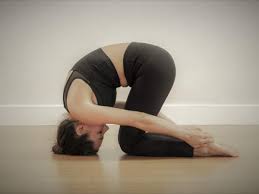
This pose involves sitting on the heels and bending forward to grab the heels while the forehead touches the knees. It stretches the spine, shoulders, and back muscles, while also stimulating the thyroid gland.
Standing Head to Knee Pose (Dandayamana Janushirasana):
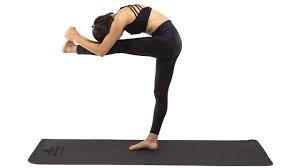
This balancing pose requires standing on one leg while extending the other leg forward and holding the foot with both hands. It improves balance, strengthens the legs, and stretches the hamstrings.
Wind-Removing Pose (Pavanamuktasana):
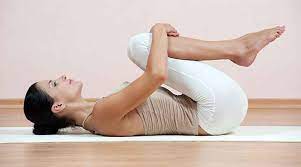
This pose involves lying on the back and hugging one knee to the chest while keeping the other leg extended. It helps release gas from the digestive system, massages the abdominal organs, and improves digestion.
These are just a few examples of the 26 poses practiced in hot yoga classes. Each pose has its own unique benefits and challenges. It’s important to listen to your body and modify poses as needed to avoid injury. A qualified instructor can guide you in making appropriate modifications based on your individual needs and limitations.
Remember, hot or bikram yoga is a personal practice, and everyone’s journey is unique. Embrace the heat, focus on your breath, and allow the poses to work their magic on your body and mind. With regular practice and dedication, you will experience the transformative benefits of hot yoga.
Safety Precautions in Hot Yoga Practice:
Stay Hydrated:
Drink water before, during, and after your hot yoga class to prevent dehydration. Sip water throughout the class to replenish fluids lost through sweating.
Pace Yourself:
Hot yoga can be physically demanding, especially for beginners. Take breaks when needed and listen to your body’s limits. Overexertion can lead to injury or heat exhaustion.
Know Your Limits:
Respect your body’s limitations and avoid pushing yourself too hard. It’s okay to modify poses or take a restorative posture if needed. Remember, yoga is a personal practice, and everyone’s journey is unique.
How to Stay Hydrated During Hot Yoga Sessions:
Proper hydration is essential during your yoga sessions to prevent dehydration and maintain optimal performance. Drink water before, during, and after class, and consider adding electrolytes to your water for added hydration.
Modifying Poses in Hot Yoga for Injury Prevention:
It’s important to listen to your body and modify poses as needed to prevent injuries during hot yoga practice. Work with a qualified instructor who can guide you in making appropriate modifications based on your individual needs and limitations.
Conclusion:
Hot yoga offers a transformative mind-body workout that challenges and invigorates practitioners of all fitness levels. By incorporating the benefits of increased flexibility, detoxification, improved cardiovascular health, stress relief, weight loss, and toning, hot yoga has become a popular choice for those seeking a holistic approach to fitness and well-being. By following the tips and guidelines outlined in this blog, beginners can embark on their hot yoga journey with confidence, staying safe, hydrated, and injury-free. So, roll out your mat, embrace the heat, and sweat it out with hot yoga!
F & Q
What is hot yoga?
This is a type of yoga that is practiced in a heated room, typically between 90°F and 105°F. The heat helps to increase flexibility, improve circulation, and promote detoxification
What should I wear to hot yoga?
It’s best to wear light, breathable clothing that allows you to move freely. Avoid wearing anything too heavy or restrictive.
What should I bring to hot yoga?
Bring a towel, a water bottle, and a yoga mat. Some studios may provide these items for you, so it’s best to check with them beforehand
How often should I practice hot yoga?
It depends on your fitness level and goals. If you’re new to hot yoga, start with one or two classes per week and gradually increase the frequency as your body adapts.
Is hot yoga safe?
This yoga can be safe for most people if practiced correctly. However, it’s important to stay hydrated and listen to your body during class. If you feel dizzy or lightheaded, take a break and rest.
What are different form of yoga?
There are many different types of yoga, each with its own unique style and benefits. Here are some of the most popular types of yoga:
- Hatha Yoga: This is a gentle form of yoga that focuses on breathing and basic postures. It’s a great option for beginners.
- Iyengar Yoga: This type of yoga emphasizes proper alignment and uses props like blocks, straps, and blankets to help students achieve the correct posture.
- Kundalini Yoga: Kundalini yoga combines physical postures, breathing exercises, and meditation to help balance the body and mind.
- Ashtanga Yoga: Ashtanga yoga is a fast-paced, physically demanding style of yoga that involves a set sequence of postures.
- Vinyasa Yoga: Vinyasa yoga is a flowing style of yoga that links breath with movement. It’s often described as a moving meditation.
- Bikram Yoga: Bikram yoga is practiced in a heated room and involves a set sequence of 26 postures. It’s designed to promote flexibility and detoxification.
- Yin Yoga: Yin yoga is a slow-paced style of yoga that involves holding poses for several minutes at a time. It’s designed to help improve flexibility and increase circulation.
- Restorative Yoga: Restorative yoga is a gentle form of yoga that uses props like blankets and bolsters to support the body in various poses. It’s designed to help reduce stress and promote relaxation.
- Prenatal Yoga: Prenatal yoga is specifically designed for pregnant women and focuses on poses that help prepare the body for childbirth.
- Aerial Yoga: Aerial yoga involves performing traditional yoga poses while suspended in the air using a hammock or other aerial apparatus.
Which type of yoga is best for beginners?
If you’re new to yoga, Hatha Yoga is a great place to start. It is a gentle form of yoga that focuses on breathing and basic postures. Hatha yoga is slower-paced than other types of yoga, making it ideal for beginners who are still learning the basics. It is also a great option for people who want to improve their flexibility and balance. Other types of yoga that are suitable for beginners include Iyengar yoga, which emphasizes proper alignment and uses props such as blocks, straps and blankets to help students achieve correct posture, and Kundalini yoga, which combines physical postures, breathing exercises, and meditation. Help balance body and mind
What are the risks of hot yoga
Dehydration and electrolyte imbalance
overheating and exhaustion make body temperature rise
straining of muscle and joint
infection and illness
How long should I practice hot yoga for?
The duration of your hot yoga practice depends on your personal preference, fitness level and health condition. However, there are some general guidelines:
Hot yoga can provide many benefits for your physical and mental health, but it can also pose some risks if you’re not careful or prepared. Therefore, it is important to consult your doctor before starting yoga program, especially if you have any medical conditions or injuries3. I hope this helps you enjoy your yoga practice safely and comfort
Bikram yoga sessions last for 90 minutes, while hot yoga classes can last anywhere between 60-90 minutes.
You should not practice hot yoga more than once a day, and should take at least one rest day per week2.
You should listen to your body and stop or take a break if you feel dizzy, nauseous or unwell during class3.
You should drink plenty of water before, during, and after class to avoid dehydration3.
This yoga can provide many benefits for your physical and mental health, but it can also pose some risks if you’re not careful or prepared. Therefore, it is important to consult your doctor before starting a hot yoga program, especially if you have any medical conditions or injuries3. I hope this helps you enjoy your hot yoga practice safely and comfortably
What should I eat before hot yoga?
According to some sources, the best foods to eat before hot yoga are light snacks that provide energy and hydration, such as:
fruits, fresh or dried, such as apples, bananas, berries, or pears
nuts, such as almonds, walnuts, or cashews
Oatmeal or quinoa, plain or with yogurt or nut butter
Light salad with vegetables and protein, such as chicken, tofu, or eggs
Protein shake or smoothie with fruits, vegetables, and milk or water
Sports bars, preferably with natural ingredients and less sugar
How long should I wait to take a shower after hot yoga?
According to some sources, it is not recommended to shower immediately after hot yoga; Ideally, wait about 20 to 30 minutes before showering. This will allow your body to cool down, recover, and reabsorb some of the essential minerals you may have lost through sweat. Showering too early can lead to dehydration, overheating, or swelling.
Some tips for bathing after hot yoga are as follows:
Rest for some time before taking bath. You can do some light activities, such as walking, sitting, or breathing, to help your body and mind return to their normal state.
Don’t wait more than 30 minutes to take a bath. Sweat on your skin can attract bacteria and yeast, causing infection or irritation.
Prefer cold bath rather than hot bath. A cold shower can help constrict blood flow, reduce swelling, and boost your immune system. Bathing with hot water can increase your body temperature and cause stiffness or pain.